
Everything a single-truck operator needs to know about using a dispatch service — what it does, what it costs, whether new authority needs one, and how to choose a good one.
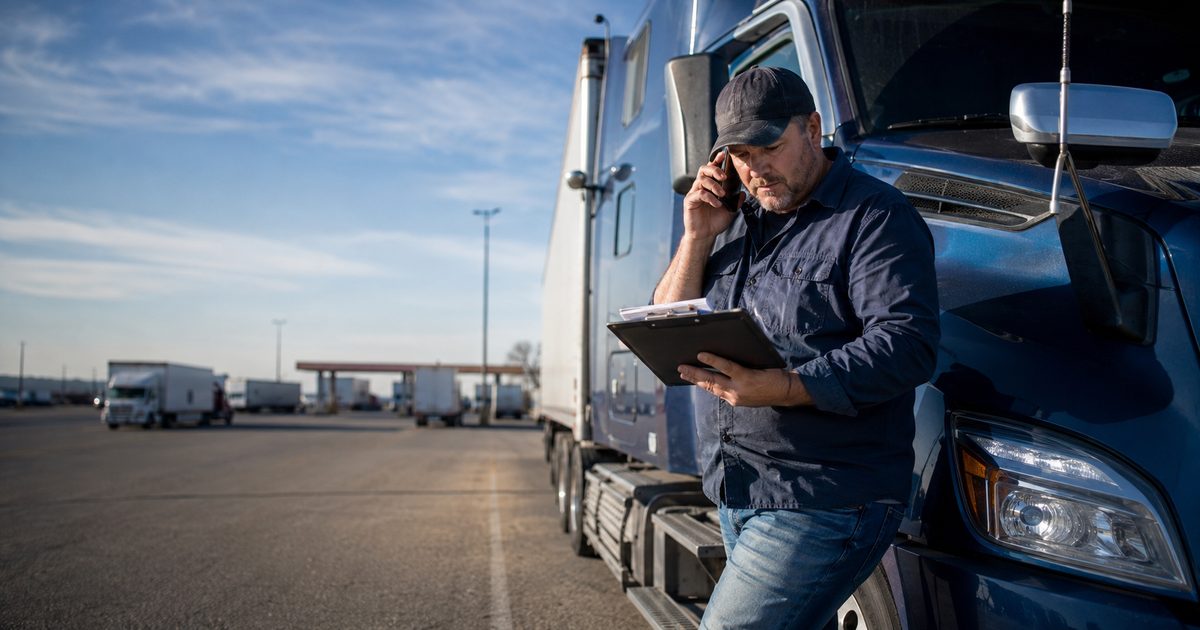
An owner-operator dispatch service is a company that finds, negotiates, and books freight on your behalf so you can stay focused on driving and delivering. For a one-truck operation, a good dispatcher is effectively your entire back office — searching load boards and broker networks, haggling rates, vetting brokers, and handling the paperwork — without you giving up your authority or your control over which loads you run.
The job is much bigger than “forwarding loads.” A real owner-operator dispatch service runs the entire load lifecycle so your only job is to drive safely and deliver on time. For your fee you should expect:
Notice what is not on that list: your dispatcher does not choose your loads for you, does not touch your money, and does not lock you into anything. You stay the decision-maker.
There’s also a less obvious benefit that owner-operators feel within a week or two: the mental load lifts. Instead of scanning boards at a truck stop, chasing down a broker’s setup packet, and second-guessing whether a rate is fair, you get one point of contact who already knows your lanes and your floor. That’s hours of screen time and phone tag every week that go straight back into driving — or into actually resting during your reset. For a one-person business, protecting your focus and your hours-of-service is not a soft perk; it’s the difference between a sustainable operation and burning out by month six.
Here’s the loop a good owner-operator dispatch service runs for every single load you haul — usually while you’re still rolling on the current one:
That fourth step is where most of the fee pays for itself. An empty truck earns nothing, and a solo driver who is also their own dispatcher almost always ends up sitting longer between loads than one whose next pickup is already booked.
Most dispatch services charge 3%–10% of your gross, with 5% being standard, or a flat $150–$250 per week. For a solo owner-operator whose weekly revenue moves up and down, the percentage model is usually the fairer deal — on a slow week you pay little or nothing, and your dispatcher only earns when you do. We break the full comparison down in our guide to how much a truck dispatcher costs.
Want to sanity-check any individual offer before you commit? Run it through our free Load Score tool — it gives you a take / negotiate / pass verdict and a suggested counter-offer in seconds, no signup needed.
If you’ve just activated your own authority, the honest answer is: a dispatch service is one of the fastest ways to get loaded without spending your first three months learning the back office the hard way. New carriers face a specific set of hurdles — brokers who won’t work with authority under 90 days old, thin credit history, and no relationships — and an experienced dispatcher already has the broker connections and the setup process down.
It also helps to understand the legal landscape you’re operating in. A dispatcher works for the carrier and does not need broker authority; brokers, who represent shippers, must register and hold a bond. The FMCSA’s guidance on who needs to register spells out exactly where that line sits — worth reading before you sign with anyone who blurs it.
Plenty of owner-operators dispatch themselves, and some do it well. The real question is what your time is worth and whether you can consistently out-negotiate a full-time professional. Here’s the honest trade-off:
| Dispatch yourself | Owner-operator dispatch service | |
|---|---|---|
| Cost | $0 in fees | ~5% of gross on booked loads |
| Your driving hours | Cut into by load hunting & broker calls | Spent driving — the loads come to you |
| Rate negotiation | As good as your own experience | Full-time negotiator working your lanes daily |
| Deadhead | Whatever you can plan solo | Next load lined up before you’re empty |
| Broker risk | You vet every broker yourself | Credit-checked before you commit |
| Best for | Veterans with deep broker relationships and time to work the phones | Solo drivers who’d rather drive than run a back office |
There’s no universal right answer — but for most single-truck operators, the hours saved and the higher, better-vetted rates more than cover a 5% fee. If you’re still deciding who does what in your business, our breakdown of dispatcher vs broker vs factoring clears up who represents whom.
Not all dispatch services are equal. Before you hand over your operation, look for these green flags — and run from the red ones.
An owner-operator dispatch service exists to do one thing: keep your truck loaded at the best possible rate so you can focus on driving. The right one is transparent, contract-free, vets your brokers, and makes you more than it costs — in higher rates, fewer empty miles, and the hours you get back. If a service can’t promise all of that, keep looking. That’s exactly the standard Loadboot holds itself to: flat 5%, no contracts, you approve every load.
It’s a company that finds, negotiates and books freight on your behalf so you can focus on driving. A dispatcher represents you, the carrier — searching loads, negotiating rates, vetting brokers and handling paperwork — while you keep your authority and approve every load.
Most services charge 3%–10% of gross, with 5% the standard, or a flat $150–$250 per week. For a solo owner-operator with variable weeks, the percentage model is usually fairer because you only pay when a load is actually booked. Loadboot is a flat 5% with no contract.
Yes. A dispatch service does the legwork, but you approve every load and rate before anything books. You keep your own authority and stay the decision-maker.
It’s optional, but it’s one of the fastest ways to get loaded when your authority is new. An experienced dispatcher already has broker relationships and the setup process handled, which helps get around the common “90 days in business” hurdle new carriers face.
No. A broker represents the shipper and must hold broker authority and a bond. A dispatcher represents you, the carrier, and generally does not need broker authority. A dispatcher should never deal directly with shippers as if brokering.
With a fair service, yes. Loadboot has no contracts — we earn your business load by load, and you can stop anytime with no penalty.
Get a free quote today and see how much more your truck could be earning with a dispatcher in your corner.
Get Started