
Freight is stolen, damaged and double-brokered every day — almost always because the carrier was never really vetted. Here is how a shipper protects a load from booking to delivery, step by step.
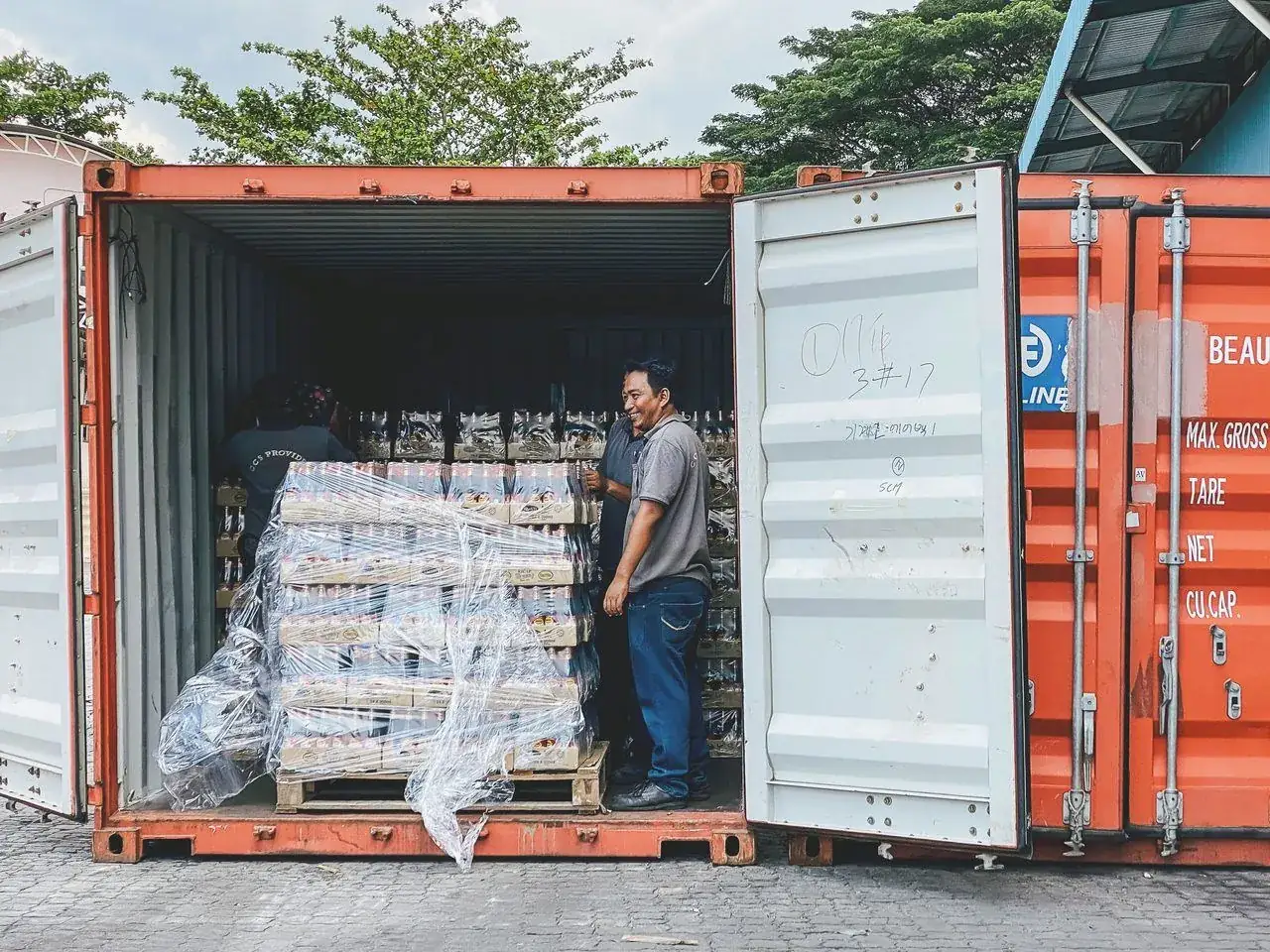
Every day in the US, freight is stolen, damaged or quietly handed to a carrier you never approved. It almost never happens because the shipper was careless with the cargo itself — it happens because the carrier was never really vetted. This guide walks a load from the moment you post it to the moment it is signed for, and shows exactly where the risk lives and how to close it.
Almost every bad outcome falls into one of three buckets. Knowing which is which tells you where to spend your attention.
| Failure | What it looks like | Root cause |
|---|---|---|
| Loss / theft | Freight vanishes; the “carrier” is unreachable after pickup | Identity fraud — the truck was never who it claimed to be |
| Damage | Product arrives broken, wet, or out of temperature | Wrong equipment, no securement, or a slow dock nobody documented |
| Double-brokering | A different carrier than you booked shows up — or no one pays them | Your load was secretly re-posted to a stranger for a markup |
“I checked their MC number” is not vetting. FMCSA records are a starting point, not a verdict — the registration system is widely acknowledged to be outdated and easy to game. Real vetting covers five things, on every load:
Two different policies protect two different things, and shippers lose money by confusing them:
Request the certificate of insurance from the provider, confirm the limits and expiration, and make sure the coverage type actually matches what you are shipping (reefer breakdown, for example, is often a separate endorsement).
Double-brokering is when the party you booked quietly re-posts your load to a different carrier for a markup — without your consent. Best case, a stranger hauls your freight. Worst case, the real carrier never gets paid, files a lien, and you pay twice. Protect against it by:
When something goes wrong, the shipper with a record wins and the shipper with a story loses. A clean chain of custody means every handoff is documented: who picked up, when, where, and what condition the freight was in. Live GPS with geofenced arrive/depart stamps turns “the driver says he was on time” into server-side evidence — which settles dock disputes, detention claims and delivery-window arguments against the record instead of against the loudest voice.
Even with good vetting, freight occasionally gets damaged. Move fast and document everything: note the damage on the delivery receipt/POD before signing, photograph it, keep the BOL and rate confirmation, and file the cargo claim with the carrier’s insurer promptly — most policies have tight filing windows. A complete paper trail is the difference between a paid claim and a denied one.
Do all seven on every load and the odds of a bad outcome drop dramatically. Or use a platform that does the verification for you and puts the tracking and paperwork on rails — which is exactly what LoadBoot is built to do. You can ship direct to verified carriers, create a shipper account in minutes, or read the full shipper solution. If you are weighing going direct, see how to ship without a broker.
Confirm active operating authority (MC/DOT) for interstate freight, request a current certificate of insurance with adequate cargo coverage, and match the company, driver and truck to what you booked. FMCSA records are a starting point but are outdated on their own, so combine them with continuous monitoring — a carrier that is clean today can lapse next month.
Double-brokering is when the party you booked secretly re-posts your load to a different carrier for a markup. Prevent it with a written no-re-brokering agreement, driver-and-truck confirmation after booking, and live GPS tracking of the assigned truck so the load cannot quietly change hands.
Only up to the policy limit and only for the covered peril. Check the cargo insurance limit against your actual load value, confirm the dates are current, and make sure the coverage type fits — reefer breakdown, for example, is often a separate endorsement.
Note the damage on the POD before signing, photograph it, keep the BOL and rate confirmation, and file the cargo claim with the carrier’s insurer promptly — filing windows are short. A complete record is what gets a claim paid.
Yes. A verified marketplace like LoadBoot vets carrier authority and insurance for you and tracks the assigned truck by GPS, so you get broker-grade protection while shipping direct. See ship direct to carriers.
Get a free quote today and see how much more your truck could be earning with a dispatcher in your corner.
Get Started