
The biggest trucking market in America is also the easiest place to haul cheap. The Triangle, the border, the oil patch, the produce season — and how dispatch discipline turns Texas volume into Texas profit.
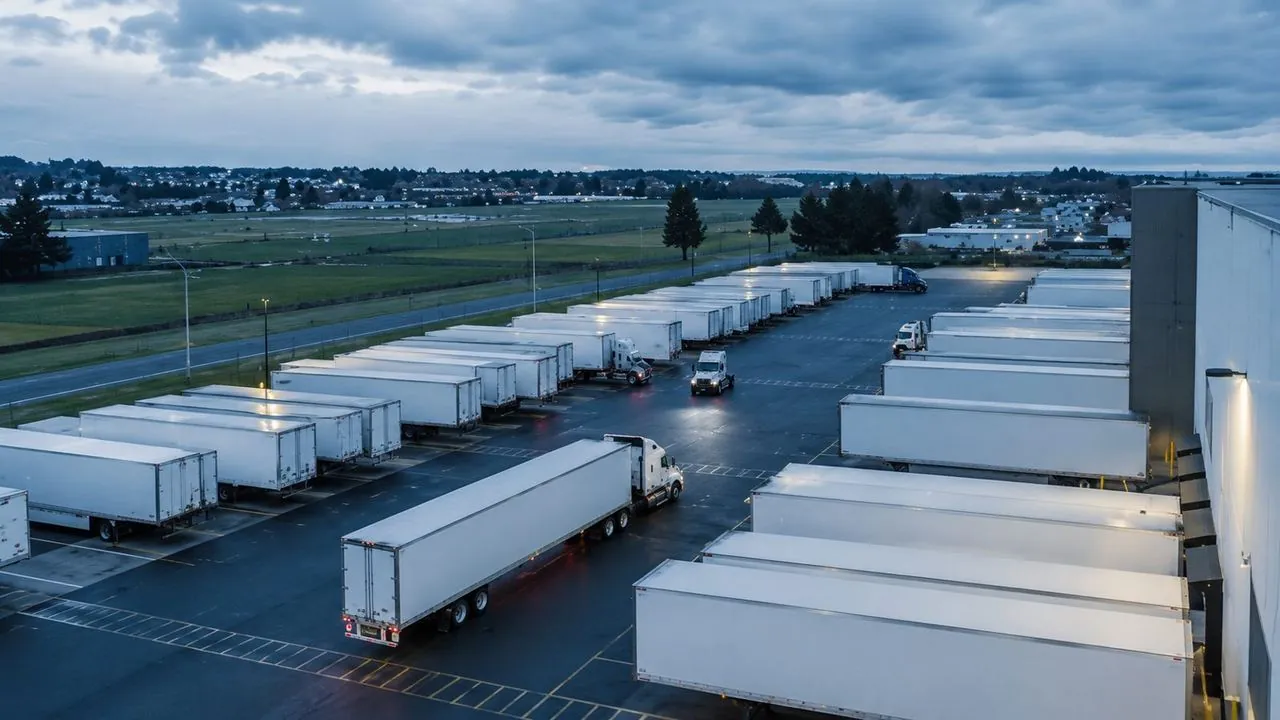
Texas moves more truck freight than any other state — more origins, more destinations, and more freight dollars than anywhere else in the country. It has the busiest land border crossing in the western hemisphere at Laredo, one of the largest petrochemical ports in the world in Houston, a produce pipeline out of the Rio Grande Valley, and two of the ten biggest metro economies in America inside one state line.
That density cuts both ways. There is always a load in Texas — which is exactly why there is always a cheap load in Texas. Big freight markets attract every carrier hunting a reload, so posted rates on the common lanes get hammered. The operators who do well here are not the ones who find freight (everyone finds freight); they are the ones who consistently avoid the bottom third of it. That is a pricing discipline problem, and it is the single biggest thing a dispatcher changes.
Dallas–Fort Worth, Houston and San Antonio form the “Texas Triangle” — three major freight markets 200–275 miles apart, connected by I-45, I-10 and I-35. For a one-truck operation this geometry is gold: every leg is a same-day run, every corner is a market where you can reload, and none of it takes you far from home base. A well-planned Triangle week can turn the same truck 5–6 times with almost no deadhead.
The catch is that everyone knows it. Triangle lanes are liquid but rarely premium — treat them as your utilization backbone, not your profit centre. The money is made by pairing a Triangle leg with the freight the Triangle feeds: port drayage-adjacent loads out of Houston, border freight staging in Laredo, distribution volume out of the DFW warehouse belt.
A few patterns hold up year after year. Outbound DFW is one of the most consistent van markets in the country thanks to the warehouse and intermodal build-out north of the metro. Houston pays best when energy is busy — and its inbound/outbound balance is healthier than most port cities. West Texas (Midland–Odessa) pays a genuine premium into the oil patch, but plan the exit before you accept: freight out of the Permian is thin, and an unplanned 300-mile deadhead eats the premium. El Paso–DFW and San Antonio–Houston run steady; the I-35 corridor north into Oklahoma and Kansas is a fair escape route when Texas rates dip.
Dry van is the volume play: retail distribution, consumer goods and border transloads keep vans moving on every Triangle leg. Flatbed and step deck earn a structural premium here — steel, pipe, drilling equipment, and construction materials for cities that never stop building; Houston and the energy corridors are flatbed country. Reefer owns the Rio Grande Valley: Mexican produce crosses at Pharr and McAllen year-round and surges seasonally, and reefers also protect food-grade freight through Texas summers that would cook a dry van load. If you run mixed equipment, Texas will use all of it.
Texas has real freight seasons. Produce out of the Valley builds through late winter and peaks in spring, pulling reefers south and lifting van rates behind them. Summer construction keeps flatbeds tight. Energy activity moves with drilling cycles more than the calendar — when the Permian is busy, everything that touches it pays more. December retail surges DFW and Houston distribution, then January cools everything. None of this is a secret; the edge is simply repricing your floor every week instead of hauling March freight at January rates.
Laredo is the busiest commercial land port in the hemisphere — thousands of northbound trailers a day, almost all of it transloaded or drop-and-hook on the US side. You do not need to cross into Mexico to earn here: US carriers run the domestic leg, moving freight from Laredo yards to DFW, Houston, San Antonio and beyond. It is heavy, time-sensitive, paperwork-disciplined freight — brokers on these lanes value carriers who communicate and deliver clean PODs, which is exactly the reputation a good dispatcher builds for you.
Monday: load out of the DFW warehouse belt down I-45 to Houston — delivered by afternoon, reloaded same day because the reload was booked before you left Dallas. Tuesday: Houston to San Antonio on I-10, then a short positioning hop toward Laredo in the evening. Wednesday: northbound border transload from a Laredo yard to DFW — the premium leg of the week, secured a day early. Thursday: DFW outbound to Oklahoma City at a rate that clears your floor, and back into North Texas on a Friday reload. Friday: deliver, invoice packet goes out with the POD, and next Monday is already on the calendar.
Five loads, roughly 1,700–1,900 paid miles, deadhead in the low single digits as a percentage — nothing in that week is exotic. Every leg exists on the boards every day. What makes it a strong week instead of a scramble is sequencing: each load was chosen for where it puts the truck NEXT, not just what it pays today. That forward-planning habit — reload booked before delivery, floor price re-checked weekly, one premium leg anchored midweek — is precisely the discipline that separates Texas operators who grow from those who churn.
Know your number before the week starts: run your real cost per mile in our free calculator, then let every accept/decline decision key off it. In a market with this much freight, the floor you enforce is the profit you keep. Authority basics still apply here too — if you are new, our authority & DOT setup guide and new-authority dispatch program cover the first 90 days.
In a market this liquid, the job is selection, not search. A dispatcher watching your truck knows what the lane should pay before the broker quotes it, counters instead of accepting, and plans the reload before you deliver — so a Houston drop becomes a same-day Triangle turn instead of an overnight sit. They keep you out of the Permian without an exit load, time the Valley produce surge, and handle the rate cons, broker setups and appointment calls while you drive. On LoadBoot that comes with the operating software — live tracking, arrive/depart detention stamps, document collection and a P&L that shows what each Texas week actually made — for a flat 5% only when we book you, no contract.
Texas rewards utilization and punishes autopilot. The Triangle keeps your wheels turning, the border and the oil patch pay the premiums, the seasons move the floor — and the difference between a strong Texas operation and a struggling one is almost always rate discipline, not load availability. If you would rather spend your hours driving than defending your floor price on every call, that is the job we do all day.
If you cross state lines you operate under your federal MC/DOT authority. Hauling for-hire freight that stays entirely inside Texas requires separate intrastate operating authority through TxDMV. Many Texas carriers run interstate only and never need it — check your own operation before turning down intrastate freight.
Flatbed and step deck carry a structural premium on energy and construction freight, reefer owns the Rio Grande Valley produce lanes, and dry van wins on volume and consistency across the Triangle. The best answer is the equipment you can keep loaded — a dispatcher matches the freight mix to what you run.
Yes — the domestic leg out of Laredo is open to any US carrier and pays consistently because volume never stops. It demands clean paperwork and reliable communication; carriers who deliver both get repeat freight from the same brokers.
The same flat 5% of the linehaul as everywhere else — no sign-up fee, no monthly minimum, no contract. You approve every load, keep your own authority, and only pay when we actually book you.
Get a free quote today and see how much more your truck could be earning with a dispatcher in your corner.
Get Started