
Atlanta is the reload machine, Savannah keeps climbing, and Florida pays great going in — then tests you on the way out. The Southeast, honestly priced.
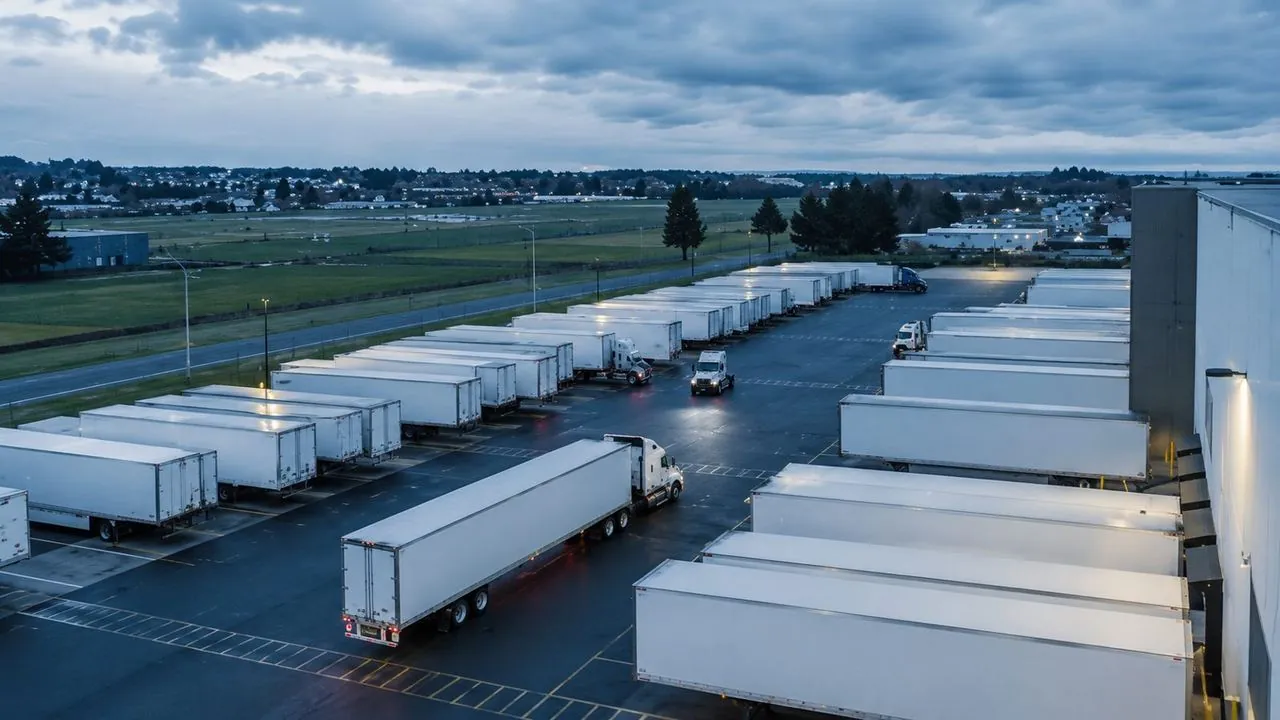
Georgia and Florida together form one of the most active regional freight systems in the country: Atlanta is the distribution capital of the Southeast, Savannah is one of the fastest-growing container ports in America, and Florida is a forty-million-person consumption engine that manufactures comparatively little. Understand those three facts and the whole region prices itself.
Where I-75, I-85 and I-20 cross, everything distributed in the Southeast passes through. For a carrier this means what the Texas Triangle means in Texas: you can almost always reload out of Atlanta the same day. Van volume is the backbone; the warehouse belts to the northwest and south of the city load daily in every direction. Atlanta rates are rarely spectacular precisely because everyone can reload there — treat it as your utilization anchor and let other legs carry the premium.
Savannah keeps setting container records, and its import freight fans out to Atlanta and the whole eastern seaboard. As with the California ports, you do not need harbor credentials to profit: the drayage-adjacent and transload outbound market moves daily, and the Savannah→Atlanta shuttle is one of the steadiest short-haul lanes in the region. Port discipline applies — appointments and dwell are real, so arrive/depart stamps protect your day.
Florida is the textbook inbound market: everything a Floridian buys arrives by truck, so rates INTO the state run strong all year and surge in produce and snowbird seasons. The exit is the test — outbound loads are fewer and cheaper, and the carriers who ignored that on Monday sit in Orlando on Thursday. The professionals price Florida as a PAIR (strong in, honest out, averaged), target the outbound that does exist (produce north in season, paper and juice out of the I-4 corridor), and never let a hot inbound rate hide a dead exit.
Atlanta↔Florida (I-75) is the region’s conveyor; Atlanta↔Charlotte/Nashville extend the reload web; Savannah→Atlanta shuttles run daily. Seasonally: Florida produce (strawberries, citrus, vegetables) pulls reefers south in winter and loads them north into spring; hurricane season can snap rates in either direction on short notice — capacity that stays flexible earns the surge honestly. December retail lifts every inbound lane; late summer is the quiet stretch to protect your floor.
Pair-pricing Florida instead of leg-pricing it, anchoring the week on Atlanta reloads, timing the produce runs, and keeping Savannah’s appointment discipline paid for with measured detention. On LoadBoot that comes with the operating software — live tracking, arrive/depart stamps, immutable rate confirmations and a weekly P&L — for a flat 5% only when we book you, no contract.
The Southeast rewards carriers who use Atlanta as the anchor, Savannah as the steady earner, and Florida as a priced round trip instead of a one-way celebration. That is a plan a disciplined one-truck operation can run — and the exact plan a good dispatcher runs for you while you drive I-75.
Yes — when priced as a pair. Inbound rates are genuinely strong; the mistake is celebrating the inbound without pricing the outbound before you accept. Averaged honestly, Florida rounds are solid weekly anchors.
Dry van rides the Atlanta/Savannah distribution engine; reefer owns the winter produce runs north out of Florida; flatbed serves the construction belt across both states. Mixed fleets get the most out of the region.
It is one of the most consistent short-haul lanes in the Southeast — port import volume feeds it daily. Expect appointment discipline on the port side; measured arrive/depart stamps keep the dwell paid.
The same flat 5% of the linehaul as everywhere — no setup fee, no monthly minimum, no contract. Every load shows the full rate card (detention, layover, TONU, lumper) before you accept.
Get a free quote today and see how much more your truck could be earning with a dispatcher in your corner.
Get Started